Cordless Blinds and Child Safety in Pittsboro Homes
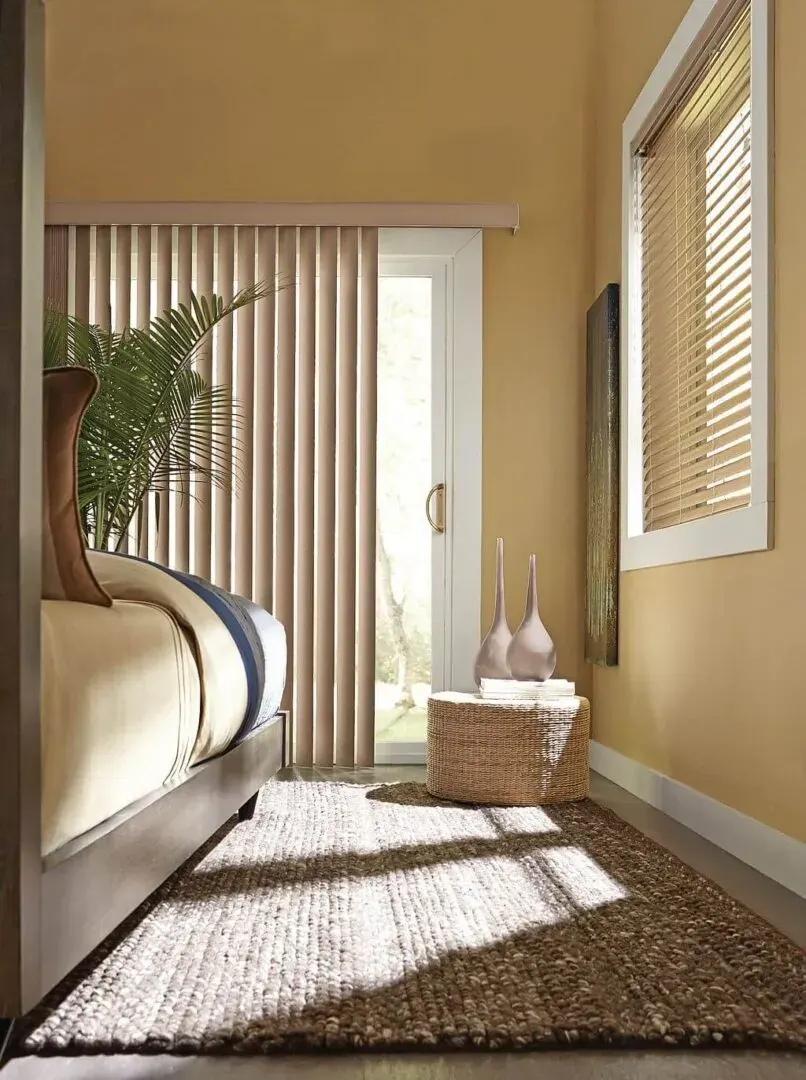
Every parent of a toddler eventually looks at the blinds in their own house a little differently. The cord that's been hanging there for years suddenly looks less like part of the decor and more like a question that needs an answer, and the good news is that answer usually doesn't require replacing every window at once.
Why a Cord Is More Dangerous Than It Looks
Most of the corded blinds still hanging in older homes were installed before cordless was the standard option, which means the hazard isn't a design flaw so much as a product that simply predates current expectations. The loop that forms on a continuous-loop cord is the specific shape that catches, and it's the same mechanism whether the blind is five years old or twenty.
The reason this keeps mattering in Pittsboro homes with kids is turnover. A family moves into a house with blinds already installed, the blinds still work fine for light control, and nobody thinks to check what kind of cord mechanism came with the house until there's a toddler in it.
A quick walk-through room by room in a Pittsboro home is usually enough to spot the pattern. Bedrooms and playrooms tend to have the oldest, most-used blinds, since those are the rooms where cords get pulled on daily, while a formal living room's blinds often look almost untouched because nobody spends enough time in there to wear on them.
Cords, Cribs, and Furniture Placement
Not every fix here costs money. Moving a crib or a glider away from the window wall is free, and it does as much for safety as anything you'd buy. It's worth doing as soon as you notice the problem, well before new shades ever get ordered or installed.
Cost becomes the deciding factor when the room layout can't change, a small Pittsboro nursery with only one realistic spot for the crib, for instance. That's when paying for cordless up front instead of grabbing a cheap corded blind on sale makes the better financial sense, since it avoids buying a stopgap now and a replacement later.
It also helps to think about resale timing. A family selling a starter home to another young family is handing off whatever window coverings are already installed, cords included, and a buyer with small kids rarely thinks to ask about it during a walkthrough. Flagging it yourself, or fixing it before listing, is a small thing that matters more than it seems.
What Cordless Really Costs
Because true cordless and wand-tilt product often sit close together on price, the cost difference usually isn't the reason to pick one over the other, the mechanism is. As a national range, expect $60 to $250 a window for stock cordless product and $200 to $600 installed for custom cordless, with wand-tilt versions landing in roughly the same bracket rather than noticeably cheaper.
Where cost does separate the options is motorization, which removes cords and wands both and typically runs $100 to $300 a window more as a national range. For a Pittsboro household weighing a fully cordless nursery against a wand-tilt version at a similar price, the mechanism itself, not the budget, is usually what settles the decision.
Working through a whole house of existing blinds is easier with a second set of eyes on it. A free in-home measure from Pittsboro Window Treatments can walk every room, point out which blinds are worth retrofitting and which are worth replacing, and leave you with an actual plan. Call (317) 999-5154 to get one scheduled.
Making the Blinds You Already Own Safer
Plenty of nurseries get set up in a room that already had blinds installed for a previous owner or a different use, and swapping them out doesn't always happen before the crib does. In that gap, a cord cleat wound tight and mounted high, well above where a growing toddler will eventually reach, is a reasonable stopgap for the first few months.
It's not a permanent fix, because kids outgrow "can't reach it" faster than parents expect, often within a year of starting to walk. Treat any interim fix in a nursery as something with an expiration date tied to the child's growth rather than the calendar, and plan the cordless swap before that date arrives rather than after.
If the nursery is being set up in a rental or a starter home you don't plan to stay in long-term, a temporary fix like a cord cleat combined with careful furniture placement may make more sense than a full cordless replacement, since it solves the immediate risk without a permanent investment in a window you won't own for long.
How Cordless Lift Systems Actually Work
Cordless doesn't mean there's no mechanism, it means the mechanism moved inside the headrail. A spring motor or a friction clutch holds tension so the shade stays wherever you leave it. You grip the bottom rail directly and push up or pull down, and it holds. There's nothing hanging for a kid to find because there's nothing hanging.
Wood and faux wood blinds usually still use a wand for tilting the slats, since lift is the part that's gone cordless on most current lines. Roller and cellular shades drop cords entirely for both jobs, relying on that spring clutch. Motorized shades remove the question altogether, running on a battery or hardwired motor controlled by a remote or a wall switch instead, which also fixes windows mounted too high to reach comfortably by hand.
Frequently Asked Questions
What's the difference between 'cordless' and 'child-safe' on a product label?
Cordless means there's no cord operating the lift function at all, full stop. Child-safe is a looser term that sometimes describes a product with a tension device or a shortened cord rather than one with no cord present. The two aren't interchangeable, and a product labeled child-safe can still have a cord that needs careful placement and furniture rules around it, where a genuinely cordless product removes that variable entirely.
Are motorized shades actually cordless, or is there still a cord somewhere?
A properly installed motorized shade has no external lift cord for a kid to reach, since the motor handles lift and the control is a wall switch or an app instead of a physical cord attached to the shade. There can still be a power cord for a plug-in motor, which matters for placement near an outlet, but that's a different kind of cord than the lift cords this issue is actually about, and it's typically routed well away from where a kid would stand.
Is the WCMA safety standard something the company is certified in?
No, and it's worth being clear about what that standard actually covers. ANSI/WCMA A100.1-2022 is a product standard that manufacturers build window coverings to, setting rules for cord length, breakaway tension devices, warning labels, and which stock products have to ship cordless. It's not a certification a company holds, it's a spec the product itself either meets or doesn't, and it's one of the reasons stock cordless product has become so much more common on shelves in recent years.
 What Custom Drapery Costs in Pittsboro and Why It Varies
 Custom vs Stock Blinds in Pittsboro: What Actually Differs